
Choosing the right exterior paint is one of the most important decisions when building or renovating a home. Exterior paint does more than improve appearance—it protects your house from sunlight, rain, humidity, dust, and temperature changes. The right choice can keep your home looking fresh and durable for many years.
In this blog, we’ll explore the main types of exterior painting, their features, benefits, and where they are best used.
1. Cement Paint
Cement paint is a traditional and budget-friendly option mainly used for exterior concrete surfaces, boundary walls, and older buildings. It is durable on rough surfaces, weather-resistant, and allows walls to breathe by letting moisture escape. It provides a simple matte finish and requires water curing after application for better performance. Overall, it is a practical choice for low-cost projects needing reliable exterior protection.
2. Acrylic Emulsion Paint
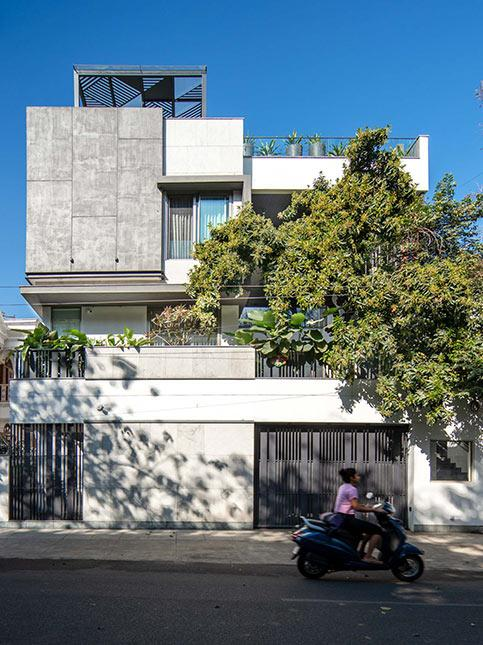
Acrylic emulsion paint is a popular modern choice for exterior walls in homes and commercial buildings. It offers a smooth, attractive finish and strong protection against sunlight, rain, and harsh weather. With antifungal and antialgae properties, it’s easy to clean and maintain while providing long-lasting color durability. It’s ideal for modern homes, apartments, and buildings where both appearance and durability matter.
3. Elastomeric Paint
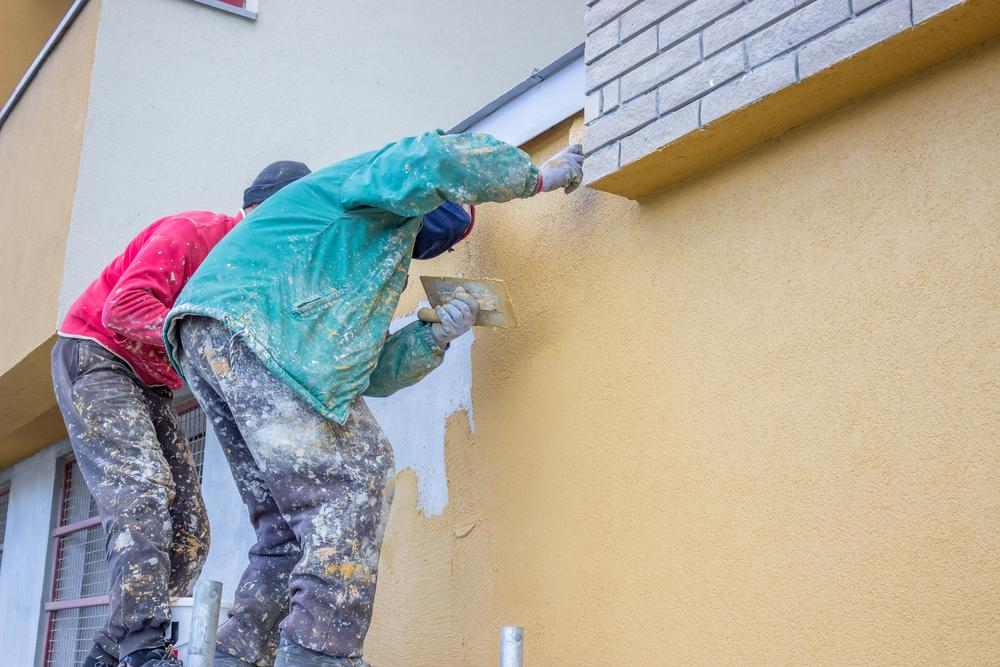
Elastomeric paint is a high-performance exterior coating ideal for areas with heavy rainfall and high humidity. It forms a thick, flexible layer that expands and contracts with temperature changes, effectively covering small cracks and providing strong waterproofing. This paint offers long-lasting protection, making it perfect for rain-prone regions and walls that need extra durability against moisture.
4. Oil-Based Exterior Paint
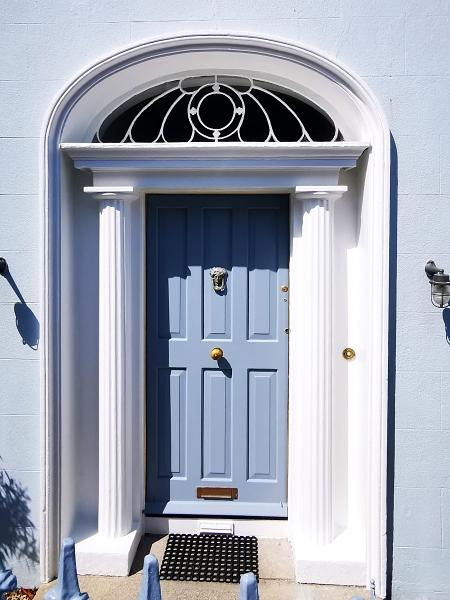
Oil-based exterior paint is ideal for wood and metal surfaces, offering a smooth, glossy finish and strong adhesion. It provides durable protection against rust and moisture but takes longer to dry than water-based paints. Best suited for metal gates, grills, doors, railings, and window frames.
5. Texture Paint (Decorative Exterior Paint)
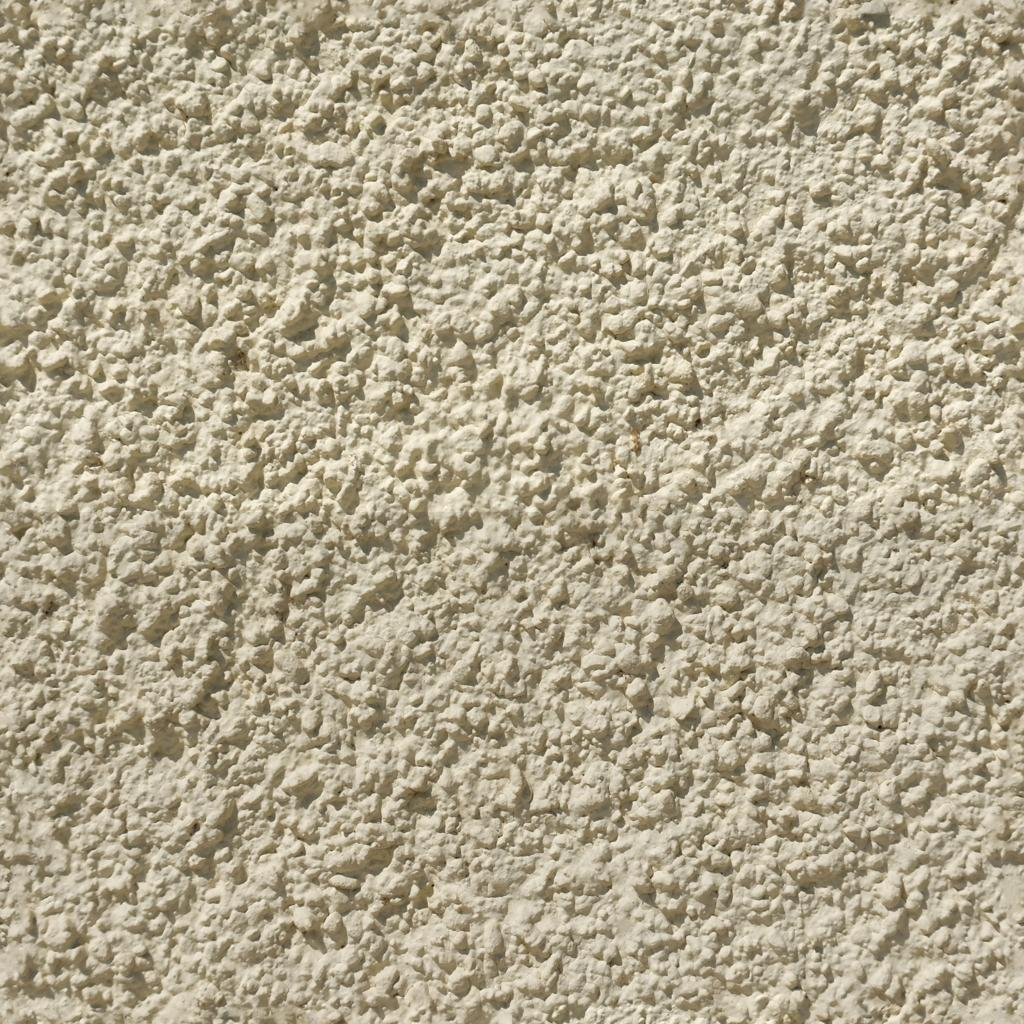
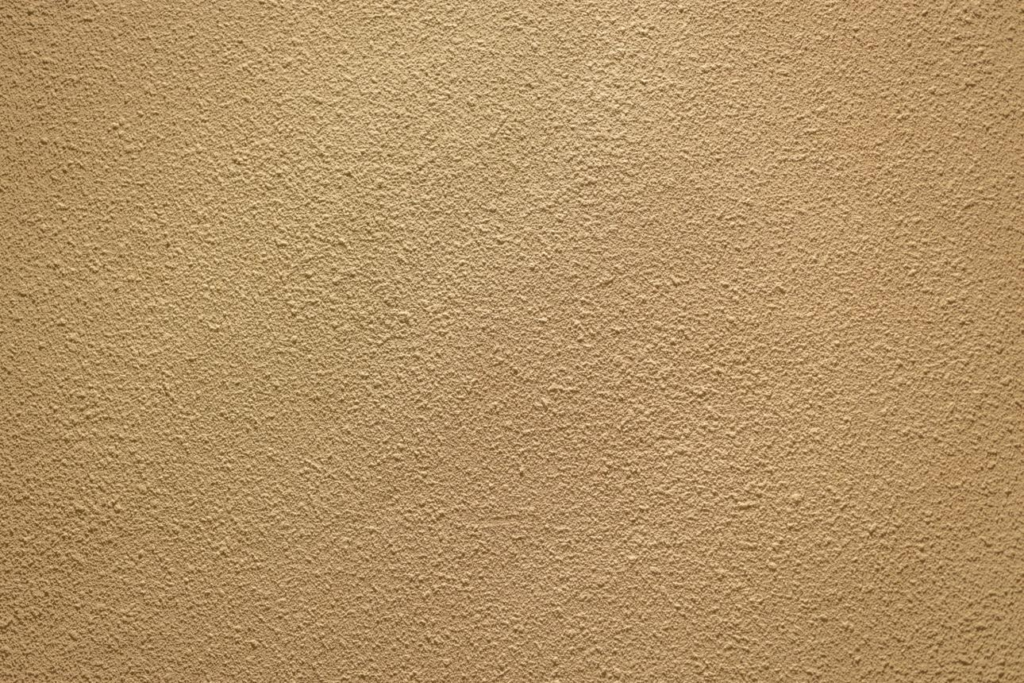
Texture paint is a decorative exterior option that adds patterns, depth, and style to walls. It provides extra surface thickness, hides minor imperfections, and comes in a variety of textures and designs. Ideal for feature walls, house facades, and modern architectural accents.
6. Lime Wash (Traditional Exterior Paint)
Lime wash is a traditional, eco-friendly exterior paint that creates a natural, breathable coating and helps keep walls cool. It is inexpensive but needs regular reapplication, making it suitable for temporary finishes, rural homes, and low-budget projects.
Final Thoughts
Selecting the right type of exterior paint depends on your budget, climate conditions, wall surface, and desired appearance. While cement paint offers affordability, acrylic emulsion provides the best balance between durability and beauty. Elastomeric paint ensures strong waterproofing, and texture paint enhances architectural style.
Before choosing, always consider your local weather conditions and the surface material of your walls. The right exterior painting choice will not only improve your home’s appearance but also protect it for years to come.