
Cement screeding creates a smooth, level base for new floors. Homeowners in Singapore need it when concrete is uneven, cracked, or too rough for vinyl or tiles.
BBH Painting handles cement screeding services for HDB flats, BTO units, and private homes. We prepare floors so the final layer sits flat and lasts. Request a site check for a clear quote.
Years Experience
Specialised Demolition Services
Direct Contractor
Site Assessment & Quotation
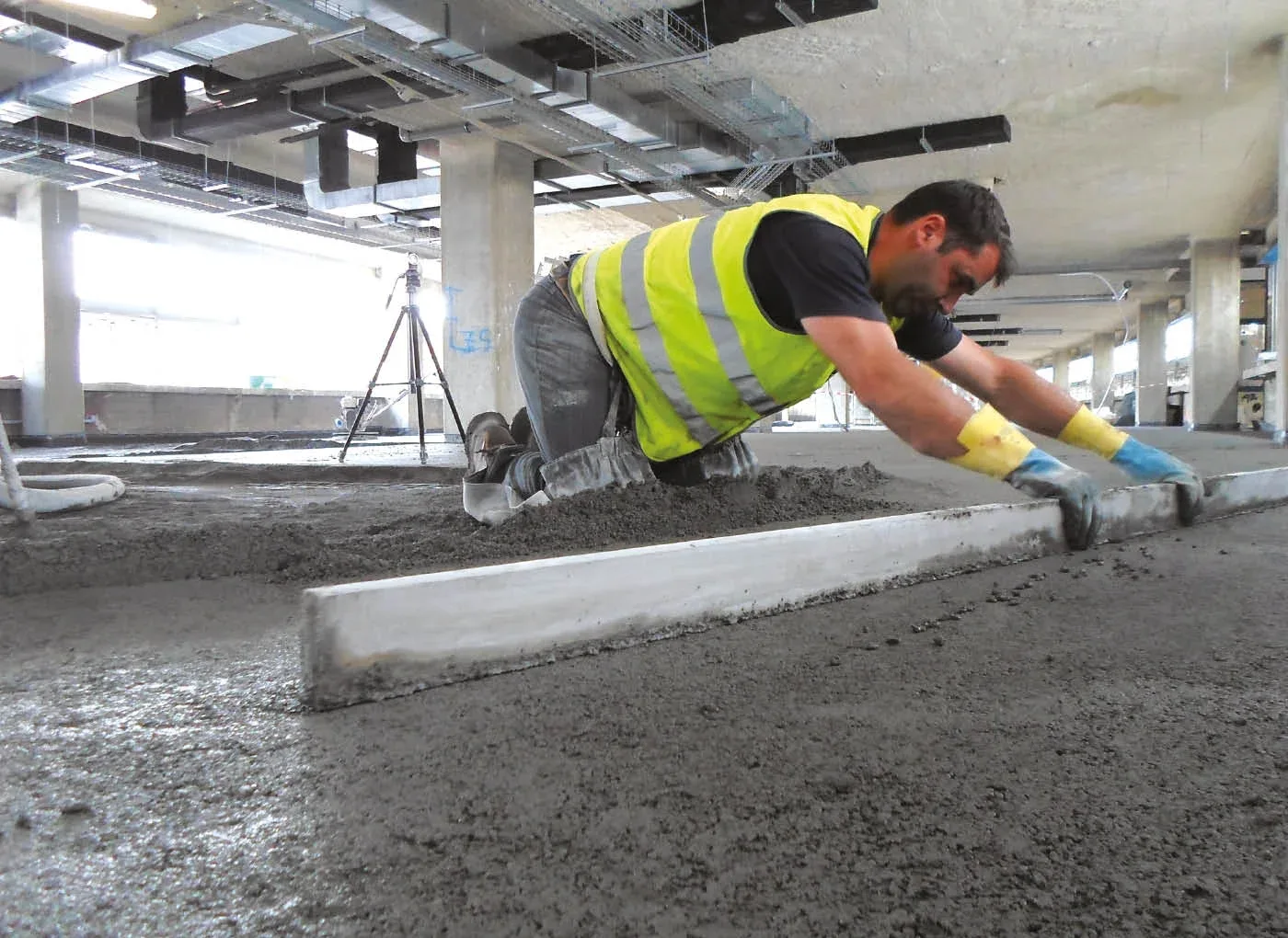
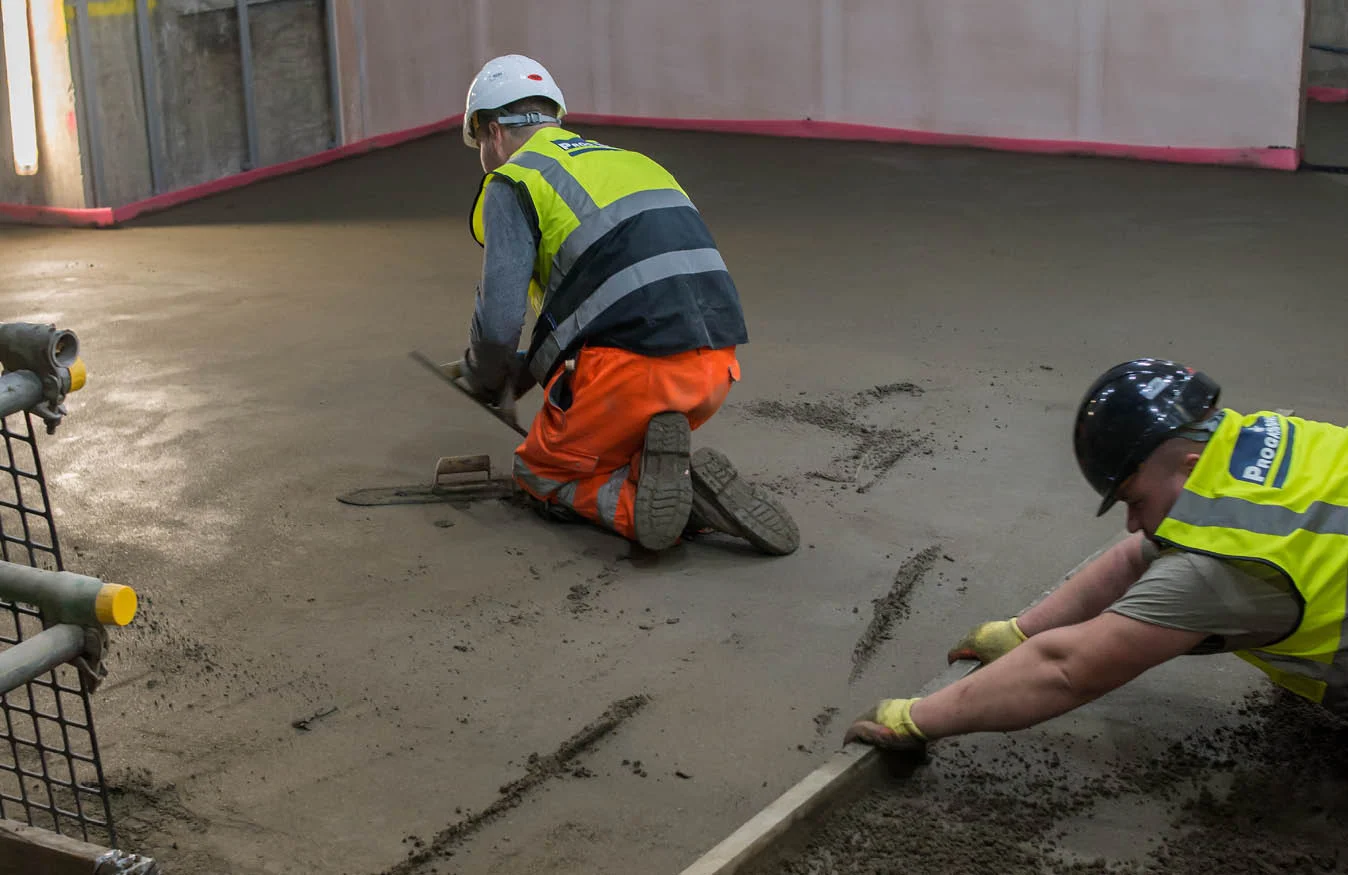
BBH Painting handles cement screeding for homes and small commercial spaces across Singapore. We begin every job by checking the existing slab for cracks, height differences, and surface condition. This careful start helps us choose the right thickness and method for your floor.
You receive clear updates at each stage so there are no surprises. We focus on steady workmanship and leave a clean, level surface ready for vinyl, tiles, or other finishes. Our approach prioritises proper preparation and honest communication throughout the project.
Uneven concrete causes furniture to rock and new flooring to fail. We build up low areas and grind high spots so the whole floor sits level.
Cracks appear from movement or weak mix. We remove damaged sections and place fresh screed that bonds firmly to the slab.
Rough surfaces stop vinyl or tiles from lying flat. We smooth high points and fill hollows for an even finish.
Low spots collect water or leave gaps under new flooring. We raise them carefully to match the surrounding level.
Bathrooms need a gentle fall toward the drain. Wrong slope leaves water pooling. We set the correct fall during screeding.
Loose screed breaks away and weakens the base. We clear all weak material first, then apply a new bonded layer.
HDB flats often need new screed after old flooring is stripped. We work within height limits and leave a clean base ready for vinyl or tiles.
New BTO slabs can arrive uneven. We apply floor screed cement to create a level surface before your chosen flooring goes down.
During renovations we clear damaged screed, prepare the slab, and lay fresh material that matches the new floor height.
We correct dips and high points across the room so the finished floor stays even under furniture and finishes.
When only part of the floor is damaged, we repair that section and blend it smoothly with the rest of the surface.
Vinyl shows every bump. We prepare a smooth, flat base so sheets or planks lie evenly without telegraphing marks.
Tiles need a stable level surface. Proper screed reduces hollow sounds and the risk of cracked tiles later.
Wet areas need correct slope and a solid base. We form the fall toward drains and prepare the surface for the next layer.
Cement and sand mixed on site suit thicker layers and most renovation work. Careful curing helps prevent later cracks.
Factory mixes give consistent strength. They reduce mixing errors and suit smaller or more precise jobs.
Bonded screed sticks directly to the concrete slab. It works well for thinner layers that need strong adhesion.
A separating layer sits between slab and screed. This method suits thicker builds or surfaces that may move slightly.
Self-levelling compounds flow out to create a flat surface with less manual work. They suit thin corrections before vinyl.
A properly finished screed removes dips and high spots. Furniture sits steadily and new flooring looks even.
Good screed supports vinyl or tiles. It lowers the chance of future cracks or hollow areas underneath.
We plan thickness so the finished floor meets door thresholds without creating awkward steps.
Correct fall directs water to the drain. This stops pooling and keeps the wet area drier.
A smooth clean surface lets vinyl and tiles bond properly and perform better over time.
We check the existing floor for cracks, height differences, and moisture. This decides the right screed type and thickness.
Loose material, dust, and old adhesive are removed. A clean surface helps the new screed bond well.
We measure levels and set the required thickness. Thickness affects strength and final floor height.
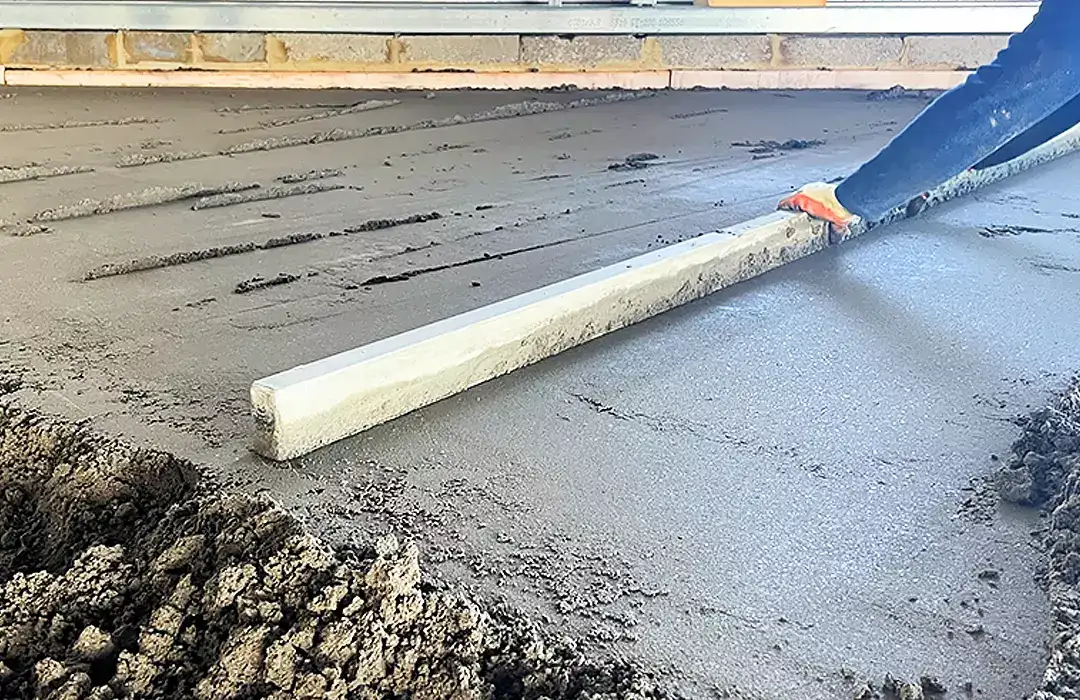
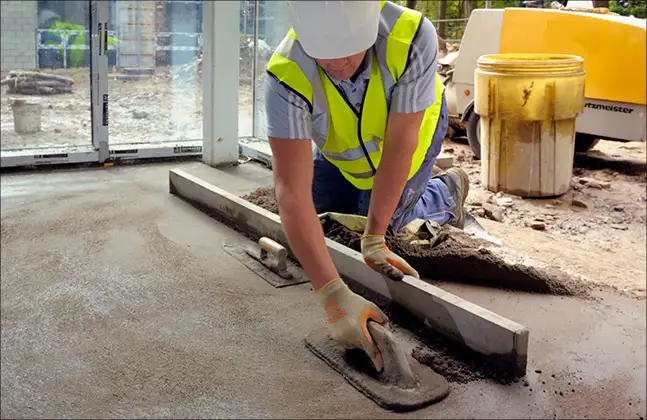
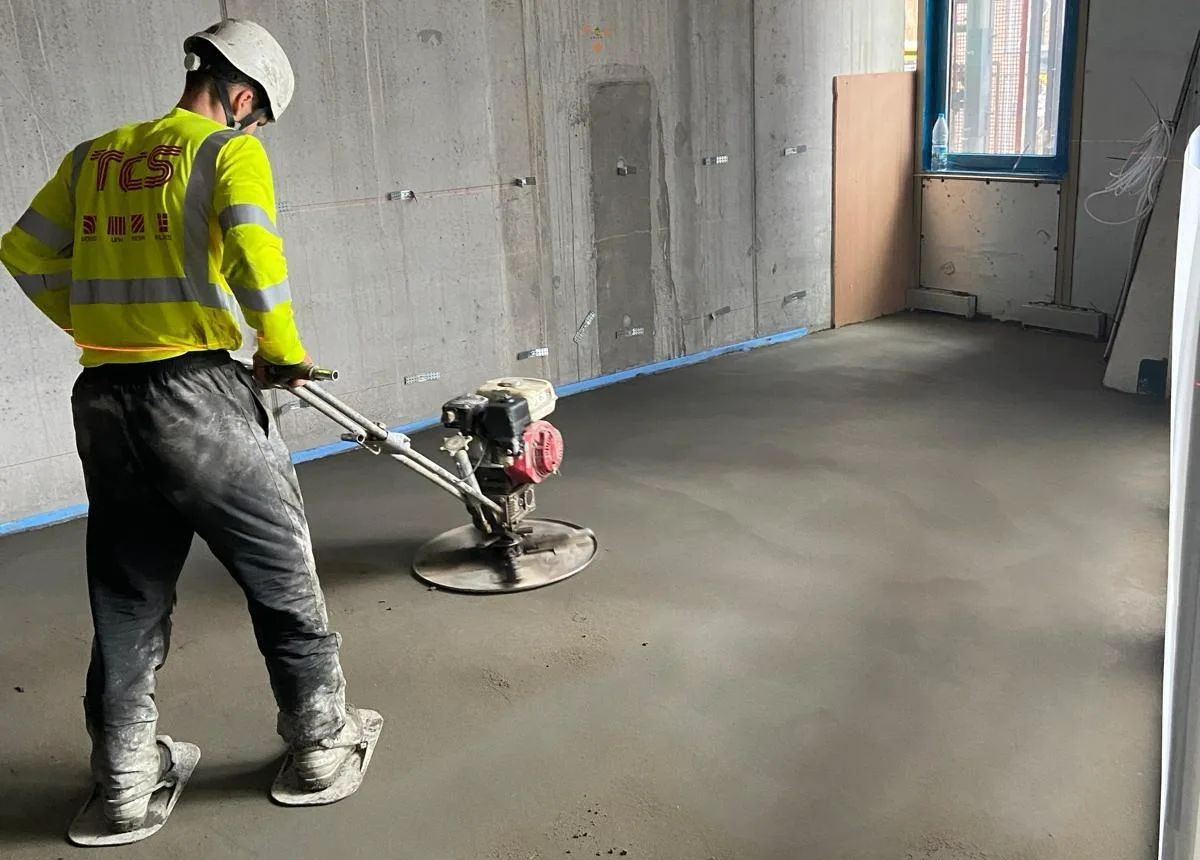
The mix is placed and spread evenly. We work in sections to keep control of the level throughout.
We check with a straight edge and adjust until the surface is flat and ready for the next stage.
The screed needs time to harden. We inspect the finished floor before handing it over for flooring.
Our team regularly handles HDB, BTO, and private property floors and knows common Singapore conditions.
We clean and prepare the slab thoroughly so the new screed bonds correctly and stays firm.
We check levels during the job and finish the surface ready for your chosen flooring.
We match the screed type to whether you plan vinyl, tiles, or another finish on top.
You receive a straightforward quote based on the actual floor condition and area size.
We work on homes, small offices, and shop spaces that need a level floor base.
Before we hand over the floor, we check the entire surface with a straight edge for level and smoothness. We also test that the new screed has bonded firmly and shows no soft spots or hollows. Any area that falls short is corrected immediately. Speak with us to understand the workmanship cover that applies to your specific project.
We regularly complete cement screeding for HDB renovations, BTO preparation, and bathroom upgrades. Each job starts with a site check and ends with a level surface ready for the next flooring layer.
Tiling service helps create durable floor and wall finishes for homes and commercial spaces. It is suitable for areas that need a tiled surface with proper installation.
Our vinyl flooring Singapore service includes supply and installation for different property types. We help customers choose suitable vinyl options based on their space and needs.
Epoxy flooring provides a strong surface finish for areas that require durability and easier cleaning. It is commonly considered for garages, industrial areas, and commercial spaces.
Epoxy painting helps protect and improve the appearance of suitable surfaces. It can be used where a more durable coating is needed.
Plumbing services address water supply and drainage needs during renovation or improvement works.
Electrical services help with wiring, fixtures, and other electrical requirements during property upgrades.
Partition wall installation helps divide spaces and improve room layouts. It is useful for both residential and commercial renovation projects.
False ceiling installation can improve the appearance of interiors while supporting lighting and design requirements.
Plastering helps repair and smooth wall surfaces before painting or other finishing work.
Plastering helps repair and smooth wall surfaces before painting or other finishing work.
Glass installation can improve interior design with functional features such as partitions, panels, or decorative elements.
Door installation helps improve access, privacy, and the overall finishing of a space.
Demolition services assist with removing existing structures or finishes before renovation work begins.
Tile grouting helps repair and refresh gaps between tiles to improve the appearance and condition of tiled surfaces.
Painting services help refresh walls and ceilings with suitable finishes for residential and commercial properties.
Still unsure about your project? Send us your site details for a free assessment.
Cost depends on floor area, required thickness, and the condition of the existing surface. A site visit gives the most accurate quote for your specific job.
HDB pricing varies by room size and how much preparation the old floor needs. We quote only after checking the actual slab and height limits.
Thickness usually ranges from 20 mm to 40 mm or more. The exact depth depends on low points and the final floor height you need.
Light foot traffic is often possible after a few days. Full curing for heavy flooring typically needs one to two weeks, depending on thickness and weather.
Yes. Vinyl shows every bump and dip. A smooth level screed lets the vinyl lie flat and last longer without telegraphing marks.
It can serve as a basic finished surface in utility areas. Most homes cover it with vinyl, tiles, or another finish for comfort and appearance.
Traditional cement screed is mixed and levelled by hand. Self-levelling compounds flow out more easily and suit thinner corrections before vinyl.
Cracks often come from insufficient curing time, incorrect mix ratios, or movement in the slab below. Proper preparation and curing reduce the risk.
Waterproofing is usually applied after the screed in wet areas, or according to the system used. We follow the sequence that suits your bathroom design.
Yes, if the old surface is sound and properly prepared. Loose or weak areas must be removed first so the new layer bonds well.
Tell us about your floor condition and the flooring you plan to install. We will arrange a site visit, check the levels, and provide a clear quote for cement screeding services suited to your HDB, BTO, or private home.