Your floor takes more punishment than anything else in your space. Foot traffic, spills, dropped tools, heavy carts – it deals with all of it every single day. That’s why a weak floor is a problem you can’t ignore for long. At B&B Painting Service, we install epoxy flooring in Singapore for homes, offices, factories, and commercial spaces. We handle everything from a single HDB utility room to a full warehouse floor.
Our epoxy flooring service covers HDB flats, condos, landed homes, retail shops, F&B kitchens, factories, and industrial facilities across Singapore. Every job starts with proper surface prep – because even the best epoxy fails on a bad base.
As the saying goes, “a good craftsman never blames his tools” – but a good craftsman also shows up with the right ones. At B&B Painting Service, we bring both.
We’re not a general contractor who dabbles in flooring on the side. Epoxy is one of our core specialties. Our team has worked on HDB utility rooms, condo car porches, commercial kitchens, factory floors, and retail showrooms. We know how each surface behaves – and how to get the epoxy to stick properly and last long.
Is your floor already showing signs of trouble? Good flooring shouldn’t need constant fixing. These are the problems we fix – and prevent.
Epoxy peeling off the floor is almost always a surface prep failure. The floor wasn't ground down properly, or moisture was trapped underneath before the coating was applied. We strip the old coating, grind the concrete down to a clean surface, and start fresh with the right primer.
Bubbles form when moisture or air escapes from beneath the epoxy before it cures. This usually happens when the applicator skips the moisture test or rushes the primer stage. We fix this by removing the affected area, drying the substrate fully, and re-coating with the correct system.
Pin holes happen when the concrete is too porous and the primer doesn't seal it fully. Fish eyes come from surface contamination - oil, dust, or silicone left behind before coating. We use dedicated degreasers, fill porous concrete with the right filler, and prime until the surface is sealed before any topcoat goes on.
Standard epoxy turns yellow under UV light. It's a chemical reaction, not a brand problem. We use UV-stable topcoats for areas exposed to sunlight - like car porches, balconies, or spaces with skylights. If your current floor is yellowing, we can resurface it with the right system.
A smooth epoxy floor is slippery when wet. That's a real safety risk - especially in kitchens, bathrooms, or car wash bays. We add anti-slip aggregates directly into the topcoat to give grip without compromising the clean look of the finish.
Epoxy laid directly over tiles sometimes sounds hollow when you tap it. This means the epoxy didn't bond to the tile properly - usually because the tile surface wasn't prepped well enough. We degrease and lightly grind tile surfaces before applying epoxy over them, and we check adhesion during the job, not after.
A thin, practical coating for concrete floors that adds colour and protection without much thickness. It's cost-effective, dries fast, and works well in utility rooms, staircases, and service areas. Best for light to medium foot traffic where a no-fuss finish is the goal.
Coloured vinyl flakes broadcast over a wet base coat, then sealed with a clear topcoat. The result is a speckled, textured finish that hides dust and light scratches. Popular for car porches, gyms, commercial kitchens, and anywhere that sees regular foot traffic.
Small decorative pebbles set in clear epoxy resin. The texture is naturally slip-resistant and looks great in wet areas like pool surrounds, shower floors, and garden paths. Water drains through the gaps between pebbles, so wet surfaces stay safer underfoot.
Metallic pigments swirled into the epoxy create a fluid, layered look that's different every time. No two floors look the same. Used in retail showrooms, cafes, hotel lobbies, and home living areas where the floor itself is meant to be noticed.
Polyurethane floor coating is more flexible than standard epoxy and handles thermal shock better. It suits commercial kitchens, food production areas, and cold rooms where temperature changes happen daily. PU coatings also resist steam cleaning and strong chemicals.
A thicker epoxy system that flows out to a perfectly flat, smooth finish. It fills minor surface imperfections as it spreads. Widely used in factories, warehouses, laboratories, and clean rooms where a seamless, even surface is required for hygiene or equipment movement.
HDB flats often have older tiles that owners prefer to coat rather than hack. We apply epoxy flooring for HDB units over existing tiles or bare concrete - depending on the condition. Utility rooms, service yards, and kitchens are the most common areas. We keep the job neat and finish within a short window so the unit isn't out of use for long.
Condos typically have tighter spaces and stricter noise rules. We work with building management guidelines and minimise dust and disruption. Car parks, entrance lobbies, gym areas, and individual unit utility zones are all well-suited to epoxy floor coating in Singapore's condo environment.
Landed homes give us more flexibility - larger floor areas, outdoor car porches, driveways, and pool surrounds. We use UV-resistant systems for outdoor zones and decorative finishes for interior spaces where the owner wants the floor to stand out. For residential epoxy flooring in Singapore, landed projects often combine multiple systems in one property.
Factories, warehouses, and workshops need floors that handle forklifts, heavy machinery, and chemical spills. We install industrial epoxy flooring in Singapore with the right thickness and chemical resistance for the actual loads the floor will carry. For commercial spaces like retail shops, F&B outlets, and offices, we balance durability with a finish that fits the brand.
A well-applied epoxy floor is like armour for your concrete. It distributes impact load across the surface instead of concentrating it at one spot. That means it holds up against trolleys, tool drops, and heavy foot traffic without cracking or chipping.
Epoxy is non-porous. Oil, grease, cleaning agents, and most chemicals sit on top of the surface and can be wiped away cleanly. This makes it the practical choice for kitchens, workshops, labs, and any space where spills are part of the daily routine.
No grout lines mean no place for dirt, bacteria, or mould to hide. A seamless epoxy surface can be mopped or hosed down in one pass. For food prep areas and healthcare spaces, that's not just convenient - it matters for hygiene standards.
Anti-slip aggregates can be added to any epoxy system. This is especially important in wet areas, loading bays, and commercial kitchens where a wet floor without grip is a liability. The texture is functional, not just decorative.
The colour options, finish types, and decorative styles for epoxy are genuinely wide. Solid colours, flake patterns, metallic effects, and stone-look finishes all use the same base system. You choose what suits the space, and we match the system to that look.
Concrete without a coating slowly absorbs moisture, oil, and grime. Over time, it cracks and degrades. Epoxy seals the surface and locks out the elements that cause that breakdown. A properly installed epoxy floor adds years to the life of the concrete underneath it.
We visit the site, check the existing floor condition, test for moisture, and look for cracks, hollow spots, or old coatings. This step tells us which system to use and flags any issues that need fixing before we start.
The primer goes on first to bond with the prepared concrete and seal porosity. Then the base coat is applied at the correct thickness for the chosen system. Rushing this stage is the most common cause of bubbling and delamination.
We grind the concrete with diamond grinding equipment to open the surface. Cracks and holes get filled with appropriate fillers. This step is what separates a floor that lasts from one that peels in six months.
Depending on the finish chosen, flakes or pebbles are broadcast over the wet base coat. Once set, a clear topcoat seals everything and sets the final texture and sheen level.
We allow the floor to cure fully before anyone walks on it. Then we do a final check – tapping for hollow spots, checking edges, and reviewing the finish. We hand over only when the floor meets our standard.
Our team has applied epoxy across HDB flats, condos, factories, and F&B spaces. We've seen what goes wrong and how to avoid it. That experience shows in the prep work, not just the finish.
We don't skip grinding. We don't skip moisture testing. These steps add time to the job, but they're why our floors don't peel after a few months.
A kitchen floor needs different things than a car porch or a factory floor. We match the epoxy system - thickness, chemical resistance, anti-slip level - to how the space will actually be used.
We use materials from established suppliers. The resin formulation affects adhesion, flexibility, and UV stability. We don't swap to cheaper products to cut costs on individual jobs.
You'll know what's included before we start. No surprises mid-job. If site conditions change the scope, we tell you upfront before doing extra work.
We've worked across all regions - north, south, east, west, and central Singapore. We understand local humidity conditions, common HDB floor types, and commercial building access rules.
“A job worth doing is worth doing well” – and we stand behind that with a workmanship warranty on every completed epoxy flooring installation.
Our warranty covers defects caused by our application – not normal wear, impact damage, or misuse. If adhesion fails, bubbles appear, or the finish lifts within the warranty period due to our work, we come back and fix it. No arguments.
Before any project closes, we do a structured final inspection. We tap-test the entire floor for hollow spots. We check edges and corners. We review the surface finish under proper lighting. We don’t sign off until the floor is right.
We also give you care guidance at handover – what cleaning products to avoid, what maintenance schedule keeps the floor performing well, and when to consider a refresh coat. You leave the job knowing how to protect your investment.
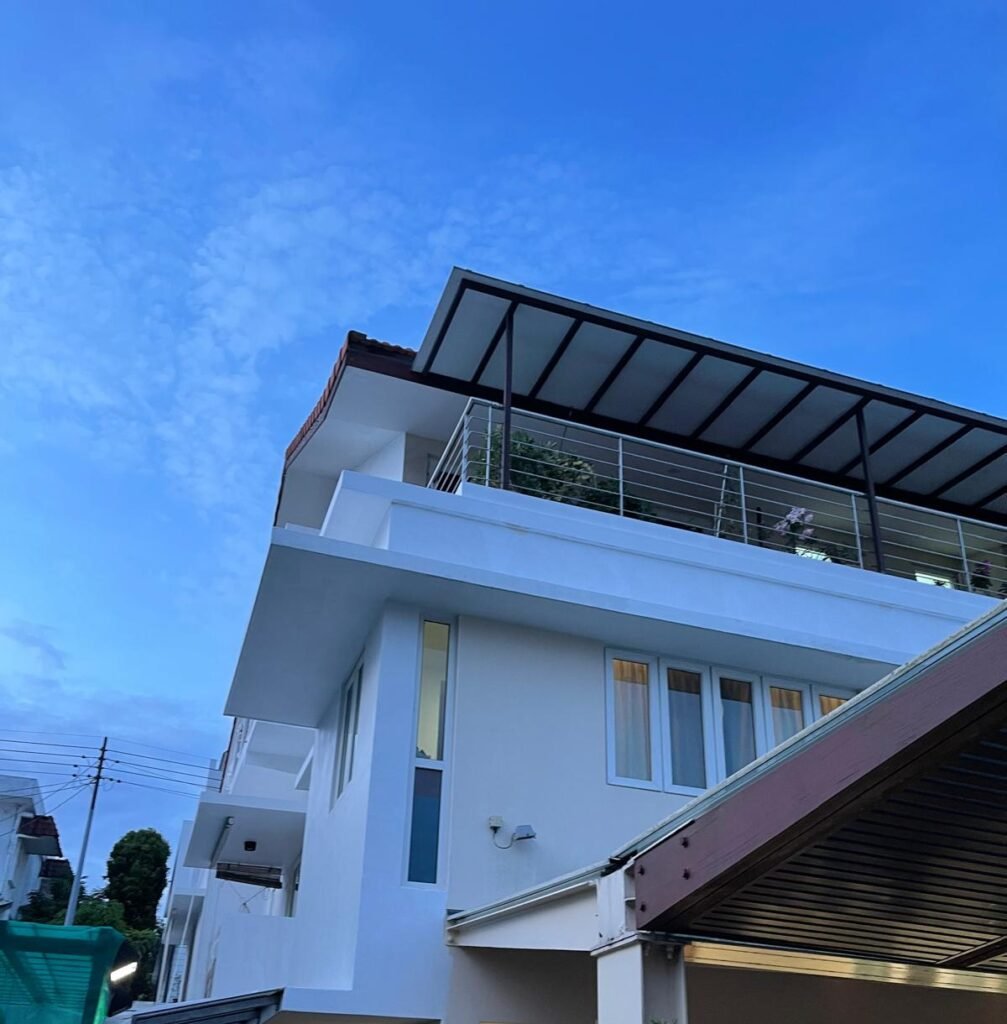
We’ve completed epoxy flooring installations in Singapore across HDB utility rooms, condo car parks, restaurant kitchens, retail showrooms, and industrial warehouses. Browse our recent project gallery to see the finishes, property types, and conditions we’ve worked with.
Residential owners, facility managers, and business owners across Singapore have shared their experience working with us. Read their honest feedback on the quality of our work and how we handled their projects.
We lay floor and wall tiles for homes and commercial spaces. Whether you’re renovating a kitchen or fitting out a new office, get a clean, level tile finish built to last. Ask us about tile options and pricing.
Marble flooring adds a refined look to living areas and lobbies. We cut, lay, and polish marble to a smooth, even finish. Find out if marble suits your space – request a site visit.
Vinyl is soft underfoot, waterproof, and available in wood or stone designs. It’s a practical choice for bedrooms, offices, and rental units. Let us help you pick the right thickness and pattern for your space.
Not every concrete surface needs a full epoxy system. Epoxy paint gives a hard, washable finish at a lower cost – ideal for staircases, service areas, and external walls. Ask us what’s right for your surface.
Before any floor finish goes down, the base needs to be flat and solid. We lay cement screed to level uneven floors and build up the correct height before tiling or epoxy work begins. Get your base done right first.
Need to divide a space without major construction? We build lightweight partition walls for offices, retail spaces, and residential rooms quickly and cleanly. Explore your layout options with us.
False ceilings manage heat, hide wiring, and improve the look of a space. We install plasterboard and calcium silicate ceilings for homes and commercial units. Talk to us about heights, lighting cutouts, and finish options.
Rough or cracked walls need plastering before painting or tiling. We skim and finish walls to a smooth, even surface. Ask about plastering for new builds or renovation projects.
From pipe rerouting to fixture installation, our team handles residential and light commercial plumbing work. Get the pipework sorted before you lay floors or close walls.
We handle basic electrical work – power points, lighting, switchboard upgrades – for homes and commercial fit-outs. Coordinate electrical and renovation work with one team to keep your project on track.
Glass partitions, shower screens, and frameless panels add space and light to any interior. We measure, cut, and install glass safely and precisely. Request a quote for your glass feature.
We supply and install interior and HDB main doors, including fire-rated options. Get the right door hung correctly the first time and avoid alignment problems down the line.
Hacking tiles, removing old partitions, or stripping an entire space – we handle controlled demolition cleanly and safely before your renovation begins. Let’s clear the space so the real work can start.
Brickwork, block walls, and concrete structures built to specification. We handle masonry for extensions, boundary walls, and internal feature walls across residential and commercial sites.
Old grout cracks and stains over time. We regrout tiles cleanly and seal the joints to restore hygiene and appearance without replacing the tiles. Great for kitchens, bathrooms, and pool areas.
Interior and exterior painting for HDB, condo, landed, and commercial properties. We prep walls properly before any paint goes on, so the finish is smooth and the colour holds longer. Get a painting quote today.
Epoxy flooring is a surface coating made by mixing an epoxy resin with a hardener. The two chemicals react and form a tough, plastic-like layer that bonds firmly to concrete. Applicators grind the concrete first, apply a primer, then lay the base coat and topcoat in stages. Each layer needs time to cure before the next goes on. The result is a seamless, hard-wearing surface that’s far more durable than bare concrete.
Epoxy flooring cost in Singapore depends on the system chosen, the condition of the existing floor, and the total area. A basic epoxy paint coating is the most affordable. Flake, metallic, or self-levelling systems cost more because they involve more materials and labour. Floor prep – especially grinding, crack repair, or tile overlay work – also affects the final price. The best way to get an accurate number is a site visit and proper assessment before quoting.
A properly installed epoxy floor in Singapore typically lasts five to ten years under normal use. Singapore’s humidity is the key factor – moisture in the concrete before coating is what causes early failure. When surface prep is done correctly and the right primer is used, the floor holds up well in the local climate. Heavy industrial use or strong chemical exposure will shorten the lifespan, but maintenance recoating can extend it.
Yes – epoxy flooring for HDB units can be applied directly over existing tiles in most cases. The tiles need to be sound, firmly bonded, and free of hollow spots. Loose or cracked tiles need to be replaced first. The tile surface is cleaned, degreased, and lightly abraded before the epoxy system is applied. This avoids the noise, cost, and mess of tile hacking while still giving a hard, sealed finish.
Most epoxy systems are light-walk ready within 24 hours and fully cured for normal use within five to seven days. Heavy loads or wet mopping should wait until full cure is complete. The exact time depends on the system used, the room temperature, and ventilation. We advise on the cure schedule at handover so you know exactly when each stage of use is safe.
Standard smooth epoxy is slippery when wet and is not suitable for wet bathroom floors without modification. We add anti-slip aggregates to the topcoat for bathrooms, kitchens, pool surrounds, and any wet area. This gives grip without changing the waterproof or seamless qualities of the finish. Pebble stone epoxy is also a strong option for wet areas because the texture is naturally slip-resistant.
Yes. Industrial epoxy flooring in Singapore is a standard choice for carparks, factories, and warehouses. The system needs to be thick enough for the loads involved – heavier vehicles and equipment require a thicker build-up. Chemical resistance should also match what the floor will be exposed to. We assess the specific use of each area before recommending a system, so the floor performs the way it needs to under actual working conditions.
Solvent-based epoxy products have a noticeable smell during application and for a short time after. We recommend ventilating the space well and keeping it unoccupied during application and the first 24 hours of curing. Water-based epoxy systems have a much lower odour and are a practical choice for occupied residential buildings. We can advise on which product suits the situation before the job starts.
Day-to-day maintenance is simple – sweep or vacuum regularly, mop with a mild detergent, and avoid dragging sharp or very heavy objects across the surface. Avoid harsh chemical cleaners as these can dull the topcoat over time. For high-traffic commercial floors, a maintenance recoat every few years helps preserve the finish and extend the life of the system without a full replacement.
Your floor is ready to be sorted. Whether you’re planning a new renovation, fixing a floor that’s already showing problems, or upgrading a commercial space, the next step is simple.
Contact B&B Painting Service for a site visit and a clear quote. We assess the floor condition, recommend the right system, and give you a straightforward price with no guesswork.
Tell us your property type, location, and rough floor area – and we’ll take it from there.