
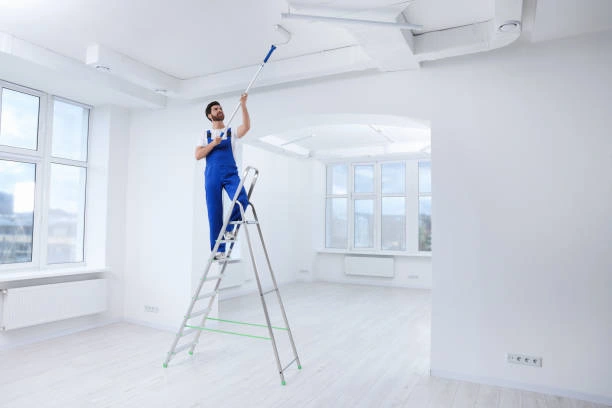
Planning to paint your home? Discover the most common interior painting mistakes and simple tips to help you get clean, smooth, long-lasting results.
A well-done interior paint job can completely transform your home, making it look fresh, clean, and inviting. However, painting is not just about picking a color and applying it to the walls. Small mistakes can lead to uneven finishes, peeling paint, and extra costs. To help you achieve a professional result, here are some of the most common interior painting mistakes and how to avoid them.
Skipping Proper Surface Preparation
One of the biggest mistakes is starting to paint without preparing the surface. Walls often have dust, grease, cracks, or old peeling paint that can affect the final result. Always clean the walls, fill any holes or cracks, and sand rough areas to ensure a smooth and even surface.
Not Using Primer
Primer plays a crucial role in achieving a long-lasting finish. Many people skip this step to save time or money, but it often leads to uneven color and poor paint adhesion. Primer is especially important when covering dark colors, stains, or new drywall.
Choosing the Wrong Paint Finish
Different rooms require different paint finishes. For example, flat paint may look elegant but is not ideal for high-traffic areas like hallways or kitchens. On the other hand, glossy finishes can highlight imperfections. Choosing the right finish ensures both durability and aesthetics.
Using Low-Quality Paint and Tools
Using cheap paint and tools might seem like a cost-saving option, but it often results in streaks, uneven coverage, and the need for multiple coats. High-quality paint and brushes provide better coverage, smoother application, and longer-lasting results.
Applying Paint Too Thickly
Applying thick coats of paint is a common mistake. It can lead to drips, streaks, and longer drying times. Instead, apply thin, even coats and allow each layer to dry properly before adding the next.
Ignoring Drying Time Between Coats
Rushing the process by applying a second coat before the first one is fully dry can ruin the finish. It may cause peeling, bubbling, or uneven texture. Always follow the recommended drying time provided by the paint manufacturer.
Poor Edging and Cutting-In
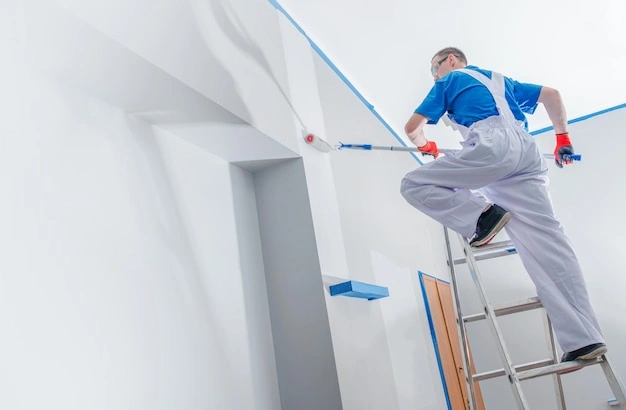
Cutting in around corners, ceilings, and edges requires patience and precision. Messy lines can make even a good paint job look unprofessional. Using painter’s tape and careful brushwork can help create clean, sharp edges.
Not Protecting Surrounding Areas
Many people forget to cover furniture, floors, and fixtures before painting. Paint splatters can cause unnecessary mess and damage. Always use drop cloths, plastic sheets, and masking tape to protect your space.
Painting in Poor Lighting Conditions
Good lighting is essential for spotting missed areas and ensuring even coverage. Painting in dim or uneven lighting can result in patchy walls. Make sure the room is well-lit while you work.
Underestimating Paint Quantity
Running out of paint in the middle of a project can be frustrating and may lead to color inconsistencies if you use a different batch. Always calculate the required amount of paint beforehand and keep some extra for touch-ups.
Conclusion
Avoiding these common interior painting mistakes can make a huge difference in the final outcome. Proper preparation, the right materials, and attention to detail are key to achieving a smooth, durable, and professional-looking finish. Whether you are painting a single room or your entire home, taking the time to do it right will ensure beautiful results that last for years.