
Professional industrial painting protects facilities from corrosion and damage while improving safety and long-term durability.
Industrial Painting Services: Enhancing Durability, Safety, and Aesthetics
Industrial painting services play a crucial role in protecting infrastructure, improving workplace safety, and maintaining the visual appeal of facilities. From factories and warehouses to bridges and pipelines, industrial painting goes far beyond simple aesthetics—it is a strategic investment in longevity and performance.
What Are Industrial Painting Services?
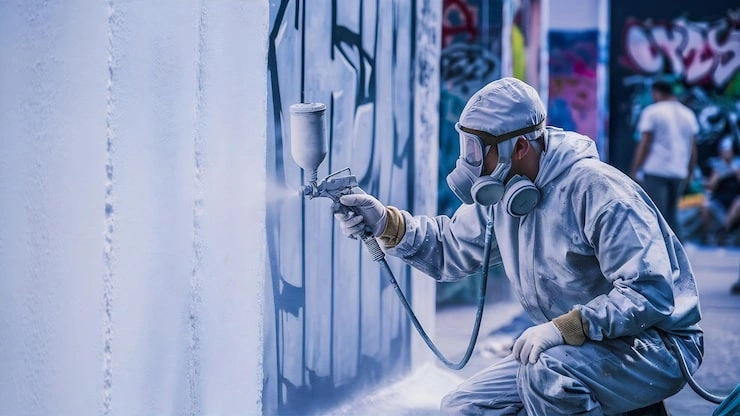
Industrial painting involves the application of specialized coatings and paints to structures and equipment in industrial environments. Unlike residential or commercial painting, these services require advanced techniques, high-performance materials, and strict adherence to safety and environmental standards.
These coatings are designed to withstand harsh conditions such as extreme temperatures, chemical exposure, moisture, and heavy wear and tear.
Key Benefits of Industrial Painting
1. Protection Against Corrosion
One of the primary purposes of industrial painting is to prevent corrosion. Metal surfaces, especially in factories or outdoor environments, are highly susceptible to rust. Protective coatings act as a barrier, extending the life of equipment and structures.
2. Improved Safety
Industrial painting enhances safety by marking hazardous areas, walkways, and machinery zones. Anti-slip coatings and fire-resistant paints also contribute to a safer working environment.
3. Increased Durability
High-quality industrial coatings are engineered to endure extreme conditions. This reduces maintenance costs and minimizes downtime caused by repairs.
4. Enhanced Appearance
While functionality is key, appearance still matters. A well-maintained facility creates a positive impression on clients, employees, and stakeholders.
5. Compliance with Regulations
Many industries must meet strict safety and environmental regulations. Professional industrial painters ensure compliance with these standards, avoiding penalties and legal issues.
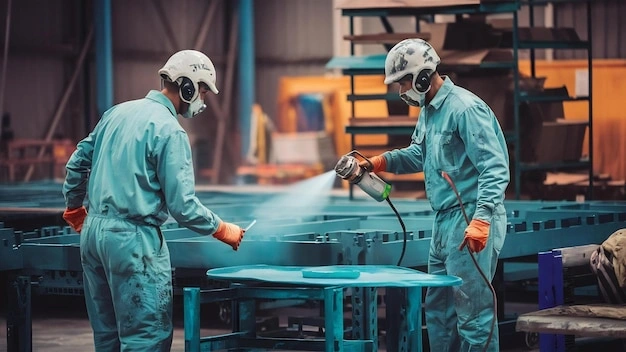
Types of Industrial Painting Services
Surface Preparation
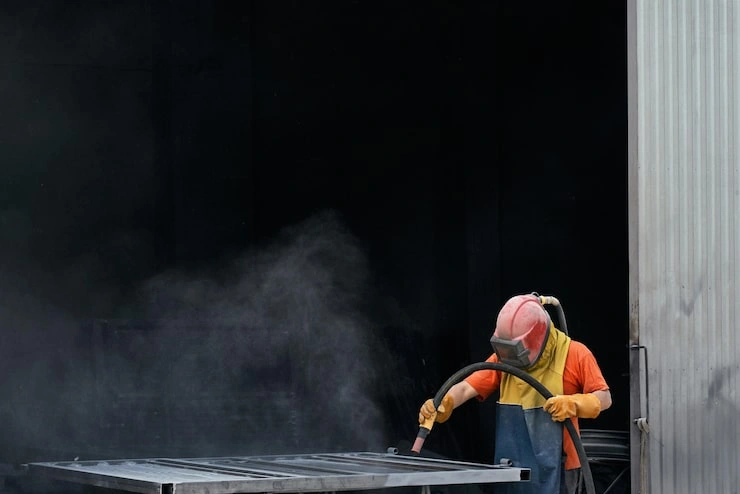
Proper preparation is essential for a long-lasting finish. This may include sandblasting, pressure washing, or chemical cleaning to remove dirt, rust, and old paint.
Protective Coatings
These include epoxy coatings, polyurethane coatings, and zinc-rich primers, each chosen based on the environment and material.
Tank and Pipeline Painting
Special coatings are applied to tanks and pipelines to protect against chemicals, moisture, and pressure-related damage.
Structural Steel Painting
Steel structures require durable coatings to prevent corrosion and maintain structural integrity.
Maintenance Painting
Regular repainting and touch-ups help maintain protection and appearance over time.
Choosing the Right Industrial Painting Contractor
Selecting a reliable contractor is critical for achieving quality results. Here are some factors to consider:
- Experience in industrial projects
- Knowledge of industry standards and regulations
- Use of high-quality materials and equipment
- Strong safety record
- Positive client reviews and references
Latest Trends in Industrial Painting
The industrial painting industry continues to evolve with new technologies and materials:
- Eco-friendly coatings with low VOC emissions
- Advanced corrosion-resistant materials
- Automated and robotic painting systems
- Smart coatings that detect damage or environmental changes
Conclusion
Industrial painting services are essential for maintaining the integrity, safety, and efficiency of industrial facilities. By investing in professional painting solutions, businesses can protect their assets, reduce long-term costs, and create a safer working environment.
Whether it’s a large manufacturing plant or a small warehouse, the right industrial painting strategy can make a significant difference in performance and longevity.