
Exterior wall painting is one of the most effective ways to improve your home’s appearance while also protecting it from weather damage. A fresh coat of paint not only enhances curb appeal but also increases durability and value. Whether you’re planning to paint your home yourself or hire professionals, understanding the process helps you achieve better results.
This guide covers everything you need to know—from choosing colors to preparation and maintenance.
Why Exterior Wall Painting Is Important
Exterior wall painting is not just for decoration—it protects your home from rain, strong sunlight, dust, and humidity. It helps prevent cracks, mold, and moisture damage while improving the overall appearance of your house. Regular exterior painting also increases property value and extends the lifespan of your walls, especially in regions with heavy sun and seasonal rain.
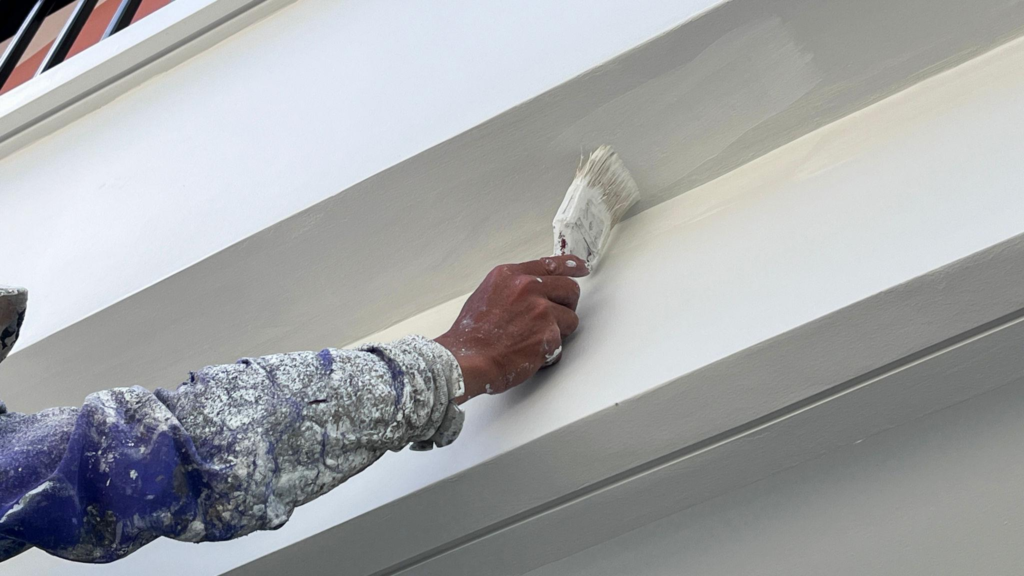
Choosing the Right Exterior Paint
Selecting the right exterior paint is essential for both durability and visual appeal. The correct paint helps protect your home while enhancing its overall look.
Popular exterior paint types:
- Weather-resistant paint: Protects walls from rain and harmful UV rays
- Acrylic emulsion paint: Long-lasting and easy to maintain
- Elastomeric paint: Ideal for covering small cracks and surface gaps
- Textured paint: Adds a decorative finish with extra protection
Color selection tips:
- Light colors make homes look larger and cooler
- Neutral tones create a clean, modern appearance
- Dark shades highlight architectural features
- Choose colors that match your surroundings
- Always test a small sample patch before finalizing your choice
Choosing the right paint ensures your home stays protected, attractive, and long-lasting.
Preparing the Wall Before Painting
Proper wall preparation is the key to achieving a smooth, long-lasting, and professional paint finish. Taking time to prepare the surface helps the paint stick better, look more even, and stay fresh for a longer period.
Here are the essential preparation steps to follow:
First, clean the wall surface thoroughly to remove dust, dirt, grease, or stains. A clean surface allows the paint to adhere properly.
Next, scrape off any old peeling or flaking paint. Leaving damaged paint underneath can cause the new paint to chip or peel quickly.
Then, repair cracks and holes using wall filler. This step helps create a smooth and even surface for painting.
After repairs, apply a primer coat. Primer improves paint adhesion, enhances color appearance, and increases durability.
Finally, allow the surface to dry completely before starting the painting process. Painting on a damp surface can affect the finish and lifespan of the paint.
Skipping these preparation steps often leads to uneven results and early paint damage, so proper preparation always makes a big difference for a neat and long-lasting finish.
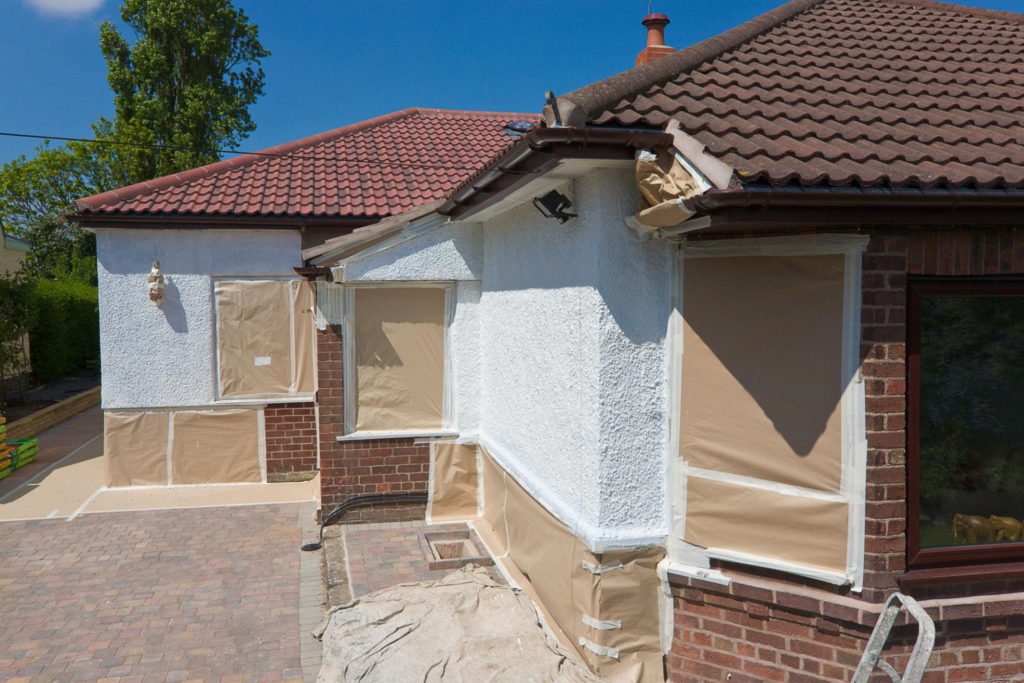
Exterior Wall Painting Process
A professional painting process usually follows these steps:
Step-by-step process:
- Surface cleaning
- Crack repair
- Primer application
- First coat of paint
- Second finishing coat
Two coats are generally recommended for strong color coverage and durability.
Best Time for Exterior Painting
Timing matters more than most people expect.
Ideal conditions:
- Dry weather
- Moderate temperature
- Low humidity
Avoid painting during heavy rain seasons or extremely hot afternoons. Early morning or late afternoon works best.
Maintenance Tips After Painting
Maintenance keeps your exterior walls looking fresh for years.
Simple maintenance tips:
- Wash walls once or twice a year
- Inspect for cracks regularly
- Fix small damage early
- Remove mold or stains quickly
With proper care, quality exterior paint can last 5–10 years.
Final Thoughts
Exterior wall painting is a smart investment that improves both the beauty and protection of your home. Choosing the right paint, preparing surfaces carefully, and maintaining the finish properly can make a big difference in long-term results.
Whether you prefer modern neutral tones or bold color combinations, a well-painted exterior creates a strong first impression and keeps your home safe from weather damage for years to come.